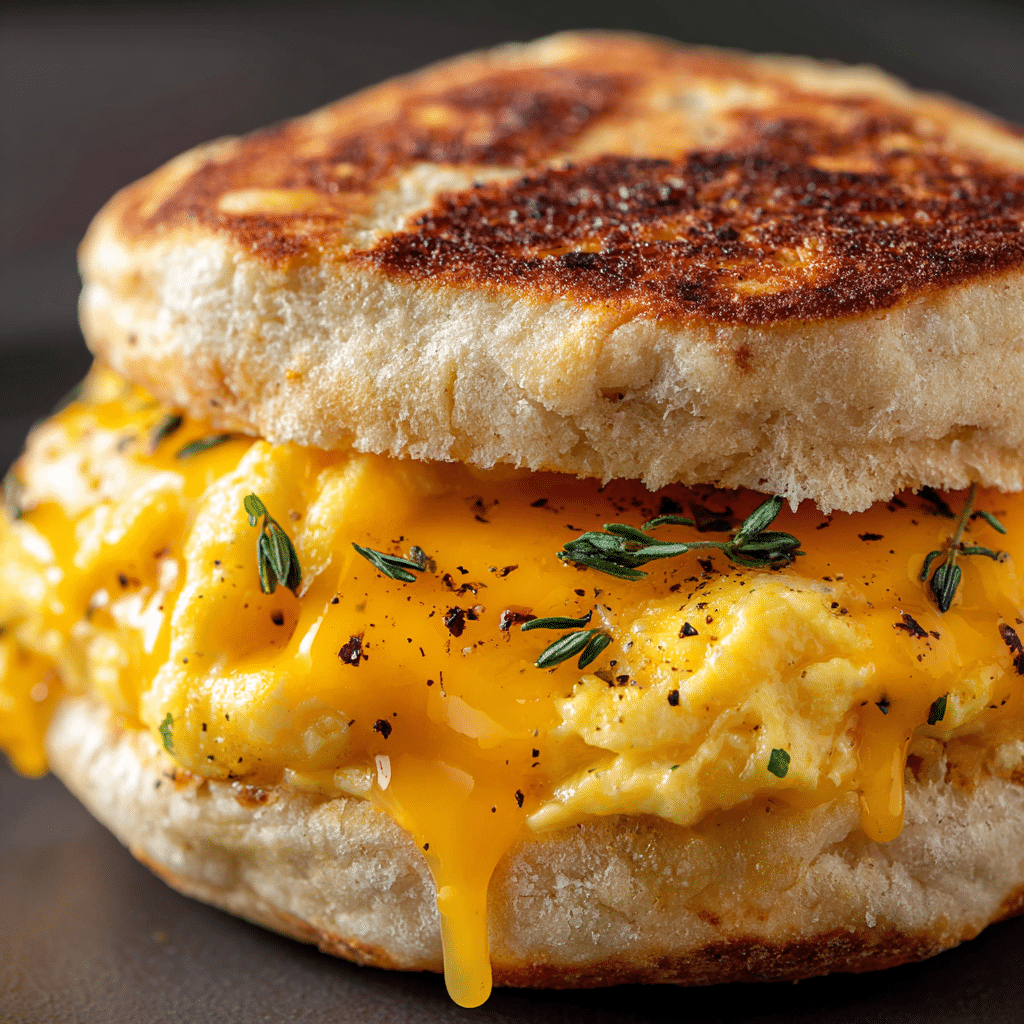
Few things are as comforting and satisfying as a well-made egg sandwich. Simple, versatile, and endlessly customizable, this classic breakfast staple has been loved for generations across the world.
From bustling New York City delis to quiet kitchens on Sunday mornings, the egg sandwich delivers a warm, savory experience in every bite. With its golden, runny yolk (or fluffy scrambled center), buttery bread, and optional layers of cheese, meats, or vegetables, it strikes the perfect balance between indulgence and nourishment.
Whether you’re looking for a grab-and-go meal or a leisurely brunch centerpiece, this egg sandwich recipe offers a foolproof method to achieve crisp edges, a creamy center, and crave-worthy flavor.
Ingredients Overview
A great egg sandwich starts with just a few essential ingredients, but the quality and treatment of each can make a big difference.
Eggs
The hero of the dish. You can use large eggs—scrambled, fried, or poached—depending on your preferred texture and richness. Organic or free-range eggs tend to have brighter yolks and fuller flavor.
Tips:
-
For creamy scrambled eggs, cook them low and slow with a touch of milk or cream.
-
For a runny yolk, a sunny-side-up or over-easy egg gives a satisfying, saucy bite.
Bread
Choose bread that holds up well to moisture and heat:
-
Brioche or potato rolls add a soft, rich texture.
-
English muffins or bagels offer chewiness and structure.
-
Sourdough or country-style loaf gives crunch and tang.
Lightly toasting or buttering the bread adds flavor and prevents sogginess.
Cheese (Optional but Delicious)
Melty cheeses like cheddar, American, provolone, or Swiss are classic choices.
-
Sharp cheddar adds depth.
-
American melts smoothly for a diner-style bite.
-
Pepper jack brings a spicy twist.
Meat Additions (Optional)
For a heartier sandwich, consider:
-
Crisp bacon
-
Sliced ham
-
Breakfast sausage patties
Make sure to drain excess fat so the sandwich stays balanced.
Spreads & Extras
Add flavor and texture:
-
Butter or mayo for creaminess
-
Dijon mustard for a tangy kick
-
Avocado for richness
-
Tomato slices, arugula, or sautéed spinach for freshness
Substitutions:
-
Use vegan eggs and plant-based cheese for a dairy-free, egg-free version.
-
Gluten-free bread works well toasted.
Step-by-Step Instructions
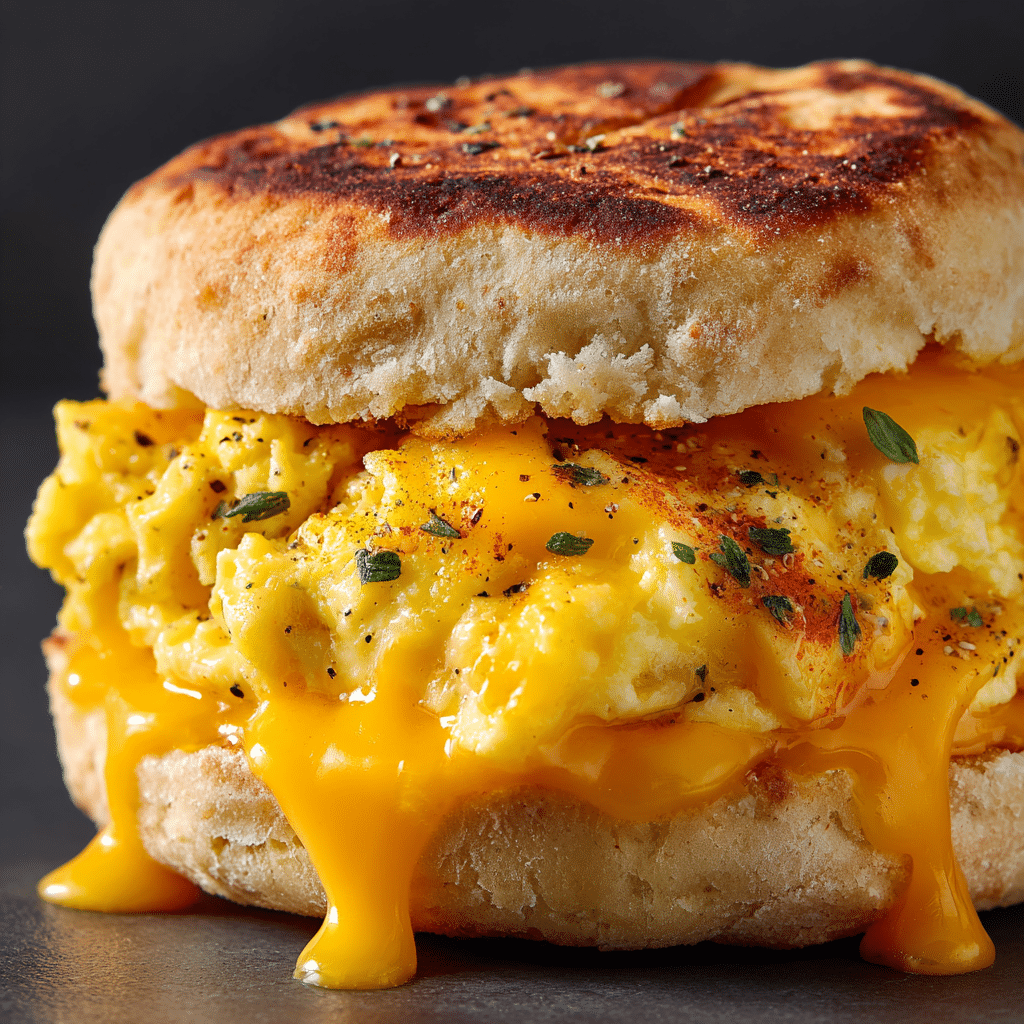
Here’s how to make a restaurant-quality egg sandwich right in your kitchen.
1. Prep the Ingredients
Gather all components before you start:
-
Crack the eggs into a bowl if scrambling or frying.
-
Slice cheese, toast bread, and prepare any fillings.
Pro tip: Warm your plate or wrap in foil if making to-go.
2. Cook the Eggs
Scrambled Version:
-
Whisk 2 eggs with a splash of milk, salt, and pepper.
-
Melt butter in a nonstick skillet over low heat.
-
Pour in the eggs and stir gently with a silicone spatula.
-
Remove from heat when slightly runny—they’ll continue cooking off-heat.
Fried or Sunny-Side-Up:
-
Heat a bit of butter or oil in a skillet.
-
Crack the egg and cook until the whites are set.
-
Cover with a lid for 30 seconds if you want to set the yolk slightly.
Over-Easy/Medium/Hard:
-
Flip the egg once the white is set and cook to desired doneness.
3. Toast the Bread
-
Butter both sides lightly.
-
Toast in a skillet or toaster oven until golden brown.
-
If adding cheese, place it on the bread to start melting.
4. Assemble the Sandwich
Layer in this order for best texture:
-
Bottom slice of bread
-
Cheese (to catch the heat from the eggs)
-
Eggs
-
Optional meats or veggies
-
Spread (if not already on bread)
-
Top slice
Chef’s tip: Press gently to help everything meld, and let rest for 1 minute before slicing.
5. Serve Warm
Cut in half if desired, and enjoy immediately while the cheese is melty and the egg is perfectly tender.
Tips, Variations & Substitutions
Cooking Tips
-
Always cook eggs on low heat for tenderness.
-
Use a silicone spatula to prevent overmixing scrambled eggs.
-
Avoid overtoasting the bread—it should be crisp but not brittle.
Variations
-
Mediterranean Style: Add feta, tomato, and spinach.
-
Southwestern: Use pepper jack, salsa, and avocado.
-
Classic Deli: Pile on pastrami and Swiss with mustard.
-
Vegan: Use a plant-based egg (like JUST Egg), vegan cheese, and avocado.
Dietary Swaps
-
Gluten-free bread
-
Low-carb cloud bread
-
Dairy-free spreads and cheeses
Serving Ideas & Occasions
Egg sandwiches shine at breakfast, but they’re perfect all day.
Occasions
-
Weekday Breakfast: Quick and satisfying.
-
Brunch with Friends: Serve with fruit and coffee.
-
Meal Prep: Make a batch, wrap in foil, and reheat.
-
Picnic or Road Trip: Wrapped and warm, they travel well.
Serving Pairings
-
Fresh fruit or a smoothie for balance
-
Hash browns or roasted potatoes
-
Coffee or orange juice for a classic breakfast feel
-
Iced tea or lemonade for a midday snack
Nutritional & Health Notes
A homemade egg sandwich offers protein, healthy fats, and energy to start your day.
-
Protein: Eggs, cheese, and meats provide muscle-supporting nutrients.
-
Carbs: Bread adds energy; whole-grain options increase fiber.
-
Fats: Balanced between egg yolks, cheese, and spreads.
To lighten it:
-
Use egg whites or fewer yolks.
-
Opt for light cheese or skip it.
-
Choose whole wheat or thin sandwich bread.
Portion control is easy—stick to one sandwich and round it out with fruit or vegetables.
FAQs
Q1: Can I make egg sandwiches ahead of time?
A1: Yes! You can prepare and wrap them in foil or parchment. Store in the fridge for 2–3 days, or freeze for up to a month. Reheat in a toaster oven or skillet for best texture.
Q2: What’s the best cheese for an egg sandwich?
A2: Sharp cheddar, American, or Swiss work wonderfully. Look for good melting qualities. If you prefer spice, pepper jack adds a great kick.
Q3: Can I use poached eggs instead?
A3: Definitely. Poached eggs give a creamy texture and a clean, delicate taste. Just be sure the bread is sturdy enough to catch the runny yolk.
Q4: Is there a vegan version of an egg sandwich?
A4: Yes! Use vegan egg substitutes like tofu scramble or JUST Egg, dairy-free cheese, and plant-based spreads. Add avocado or sautéed mushrooms for richness.
Q5: What’s the difference between fried and scrambled egg sandwiches?
A5: Fried egg sandwiches have a defined shape and can include runny yolks, while scrambled versions are creamier and often better for absorbing added flavors like cheese or sauces.
Q6: How can I keep my sandwich from getting soggy?
A6: Toast the bread, layer cheese near the egg, and avoid watery vegetables like raw tomato unless dried thoroughly. Wrapping in parchment instead of plastic also helps.
Q7: What bread is best for an egg sandwich?
A7: Brioche, English muffins, sourdough, and bagels are top choices. Each provides a different texture—from pillowy to chewy to crisp—so choose based on your mood or meal.