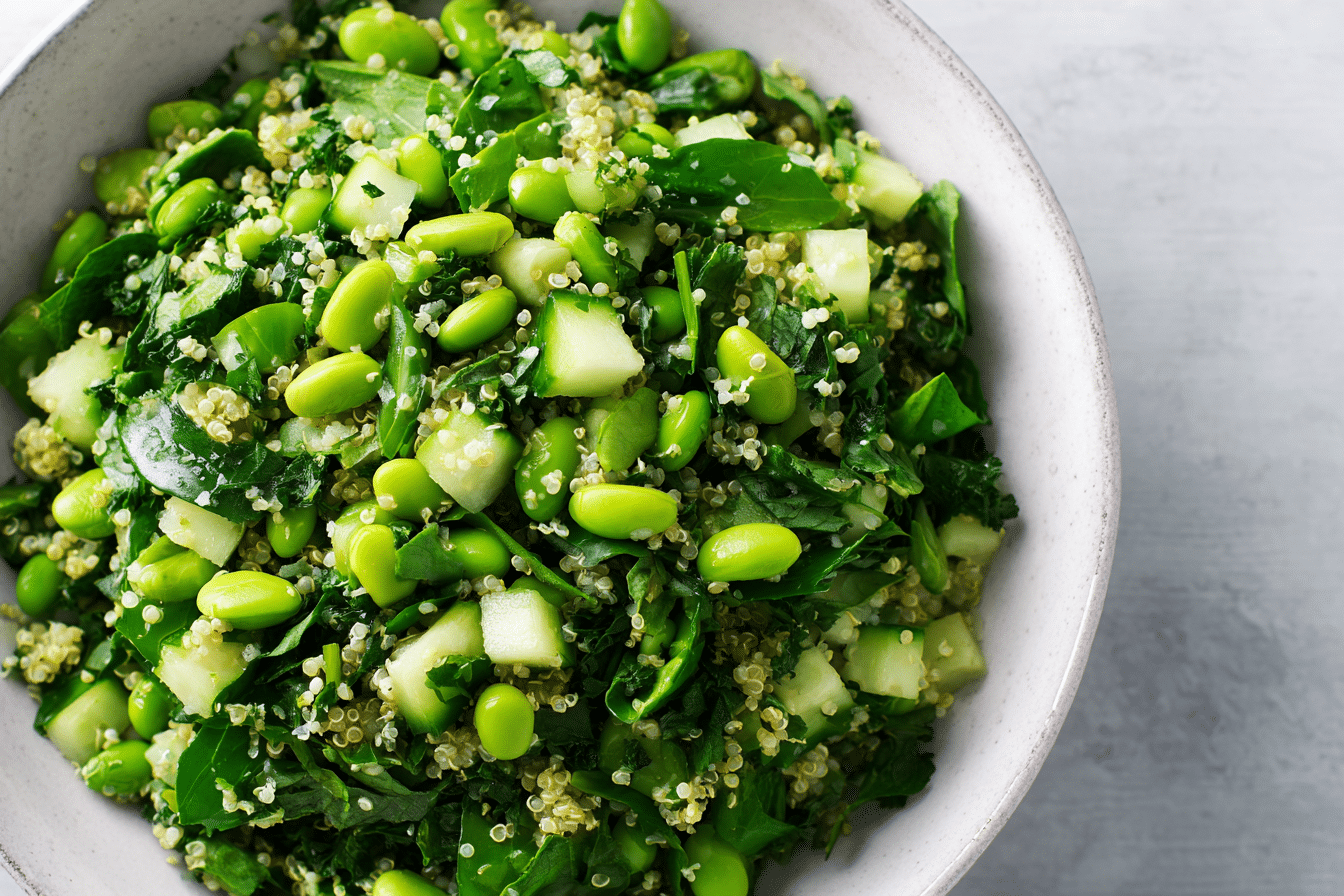
A Salad with Asian Dressing brings together vibrant vegetables and a tangy, umami-rich dressing that’s light yet deeply flavorful. Inspired by East and Southeast Asian flavor profiles, this dish combines crisp textures with the savory-sweet balance of ingredients like soy sauce, rice vinegar, sesame oil, and ginger.
Perfect as a side dish, meal prep staple, or light lunch, this salad is endlessly customizable. From crunchy cabbage and carrots to tender greens and fresh herbs, it offers a refreshing, nutrient-packed bowl with bold personality.
Whether you’re looking for a healthy way to upgrade your weekday meals or a colorful addition to an Asian-inspired dinner spread, this salad is quick to make and even quicker to disappear.
Ingredients Overview
Here’s a closer look at the key ingredients and how each contributes to flavor, texture, and balance:
For the Salad:
-
Napa Cabbage or Green Cabbage: A crunchy base that holds up well to dressing without getting soggy. You can also mix in red cabbage for color.
-
Carrots: Julienned or shredded for a touch of natural sweetness and texture.
-
Red Bell Pepper: Adds sweetness, crunch, and vibrant color.
-
Cucumber: Cool and refreshing, with high water content to balance the sharper veggies.
-
Scallions (Green Onions): Mild onion flavor that enhances the dressing’s umami notes.
-
Fresh Herbs (Cilantro, Mint, or Thai Basil): These lift the whole salad with fragrance and freshness.
-
Edamame or Shelled Soybeans (Optional): Add protein and a tender bite.
-
Toasted Almonds, Cashews, or Peanuts: Provide a rich crunch and contrast to the light vegetables.
-
Sesame Seeds: A final garnish that adds subtle nuttiness and visual appeal.
For the Asian Dressing:
-
Soy Sauce: The salty, umami backbone. Use low-sodium soy sauce to control salt levels, or tamari for gluten-free.
-
Rice Vinegar: Adds brightness and gentle acidity without harshness.
-
Sesame Oil: Toasted sesame oil delivers rich, nutty depth. A little goes a long way.
-
Honey or Maple Syrup: Adds a subtle sweetness to balance the salty and tangy components.
-
Garlic & Fresh Ginger: Minced or grated for a pungent, zesty punch.
-
Lime Juice: Fresh citrus brightens the whole dressing. Lemon works in a pinch.
-
Optional: Chili Flakes or Sriracha: For heat, if you like a kick.
Ingredient Swaps & Additions:
-
Use spinach, kale, or mixed greens for a softer base.
-
Add grilled chicken, tofu, or shrimp for a main course version.
-
Swap soy sauce for coconut aminos for a paleo-friendly option.
Step-by-Step Instructions
Step 1: Prepare the Vegetables
Thinly slice or shred your vegetables:
-
3 cups napa cabbage or green cabbage
-
1 cup shredded carrots
-
1 red bell pepper, thinly sliced
-
1 small cucumber, sliced into half-moons
-
2–3 scallions, sliced diagonally
-
¼ cup chopped fresh cilantro or herbs of choice
Place everything in a large mixing bowl.
Step 2: Toast the Nuts and Seeds
In a dry skillet over medium heat, toast:
-
¼ cup slivered almonds or peanuts
-
1 tbsp sesame seeds
Stir often for 2–3 minutes until fragrant and lightly golden. Let cool, then add to the salad just before serving to maintain crunch.
Step 3: Whisk the Dressing
In a small bowl or jar, combine:
-
3 tbsp low-sodium soy sauce
-
2 tbsp rice vinegar
-
1 tbsp toasted sesame oil
-
1 tbsp honey or maple syrup
-
1 tsp lime juice
-
1 clove garlic, minced
-
1 tsp freshly grated ginger
-
Optional: ½ tsp chili flakes or sriracha
Whisk until smooth or shake in a sealed jar. Taste and adjust to your preference — more lime for acidity, honey for sweetness, or soy sauce for saltiness.
Step 4: Toss & Serve
Drizzle the dressing over the salad just before serving. Toss gently to coat all ingredients evenly.
Top with toasted nuts and sesame seeds. Serve immediately for peak freshness and texture.
Tips, Variations & Substitutions
-
Meal Prep Tip: Keep salad and dressing separate until ready to eat to preserve crispness.
-
Make it a Meal: Add protein — shredded rotisserie chicken, marinated tofu, seared steak, or crispy chickpeas.
-
Add noodles: Toss in cooked soba, rice noodles, or ramen for a satisfying noodle salad.
-
Fruity Twist: Add thinly sliced mango or mandarin oranges for sweet contrast.
-
Low-Sugar Version: Use a few drops of liquid stevia or skip the sweetener entirely for a savory-only dressing.
Serving Ideas & Occasions
This salad fits beautifully in many settings:
-
Lunchbox Staple: Add protein and keep the dressing separate until ready to eat.
-
BBQ or Picnic Side: It holds up better than leafy salads and tastes great chilled or at room temp.
-
Asian-Inspired Dinners: Serve alongside teriyaki salmon, dumplings, or stir-fry for a complete meal.
-
Light Dinner: Add avocado and a poached egg for a quick, satisfying vegetarian meal.
It’s colorful, crunchy, and layered with flavor — always a crowd-pleaser.
Nutritional & Health Notes
This salad is:
-
Rich in fiber from raw vegetables
-
Low in refined carbs, especially without added noodles
-
Naturally gluten-free if tamari is used
-
High in antioxidants from bell peppers, carrots, and herbs
-
Balanced in macros when served with lean protein or legumes
The dressing uses heart-healthy sesame oil and just enough natural sweetener to balance the acidity — no need for sugary bottled dressings.
FAQs
Q1: How long does the salad last in the fridge?
If undressed, the veggies stay fresh for up to 4 days. Store the dressing separately and add before serving to preserve crunch.
Q2: Can I use bottled Asian dressing?
You can, but making your own takes just 5 minutes and tastes far fresher. Plus, you control the ingredients and avoid preservatives or excess sugar.
Q3: Is this salad vegan?
Yes — just use maple syrup instead of honey in the dressing. Everything else is naturally plant-based.
Q4: What protein works best?
Grilled chicken, baked tofu, pan-seared salmon, or tempeh are all excellent. Even boiled edamame or chickpeas boost protein without changing the flavor.
Q5: Can I use pre-cut coleslaw mix?
Absolutely. It’s a great shortcut — just add your dressing and extra toppings like scallions and herbs to make it pop.
Q6: How can I make the dressing creamy?
Whisk in 1 tablespoon tahini or natural peanut butter for a creamy variation. Add a bit more lime juice or water to thin if needed.
Q7: What are the best herbs to use?
Fresh cilantro is classic, but mint and Thai basil add a refreshing twist. Use a mix if you love bold herbaceous flavor.
PrintSalad with Asian Dressing – Fresh, Crunchy, and Bursting with Flavor
A crisp, refreshing salad loaded with colorful veggies and tossed in a sweet-savory homemade Asian dressing. Great as a side or light meal, and easily customizable.
Ingredients
Salad:
3 cups shredded napa or green cabbage
1 cup shredded carrots
1 red bell pepper, thinly sliced
1 small cucumber, halved and sliced
2–3 scallions, sliced
¼ cup chopped cilantro or mixed herbs
¼ cup toasted almonds or peanuts
1 tbsp sesame seeds
Dressing:
3 tbsp soy sauce (low sodium)
2 tbsp rice vinegar
1 tbsp sesame oil
1 tbsp honey or maple syrup
1 tsp lime juice
1 clove garlic, minced
1 tsp fresh ginger, grated
Optional: chili flakes or sriracha
Instructions
-
Prep all salad vegetables and place in a large bowl.
-
Toast nuts and sesame seeds in a dry pan until golden.
-
Whisk or shake all dressing ingredients together.
-
Toss salad with dressing just before serving.
-
Top with toasted nuts and sesame seeds. Serve fresh.
Notes
For a meal-size salad, add grilled chicken, tofu, or noodles. Keep dressing separate for meal prep.